What to Check Before Buying Into a Marbella Community of Owners in 2026
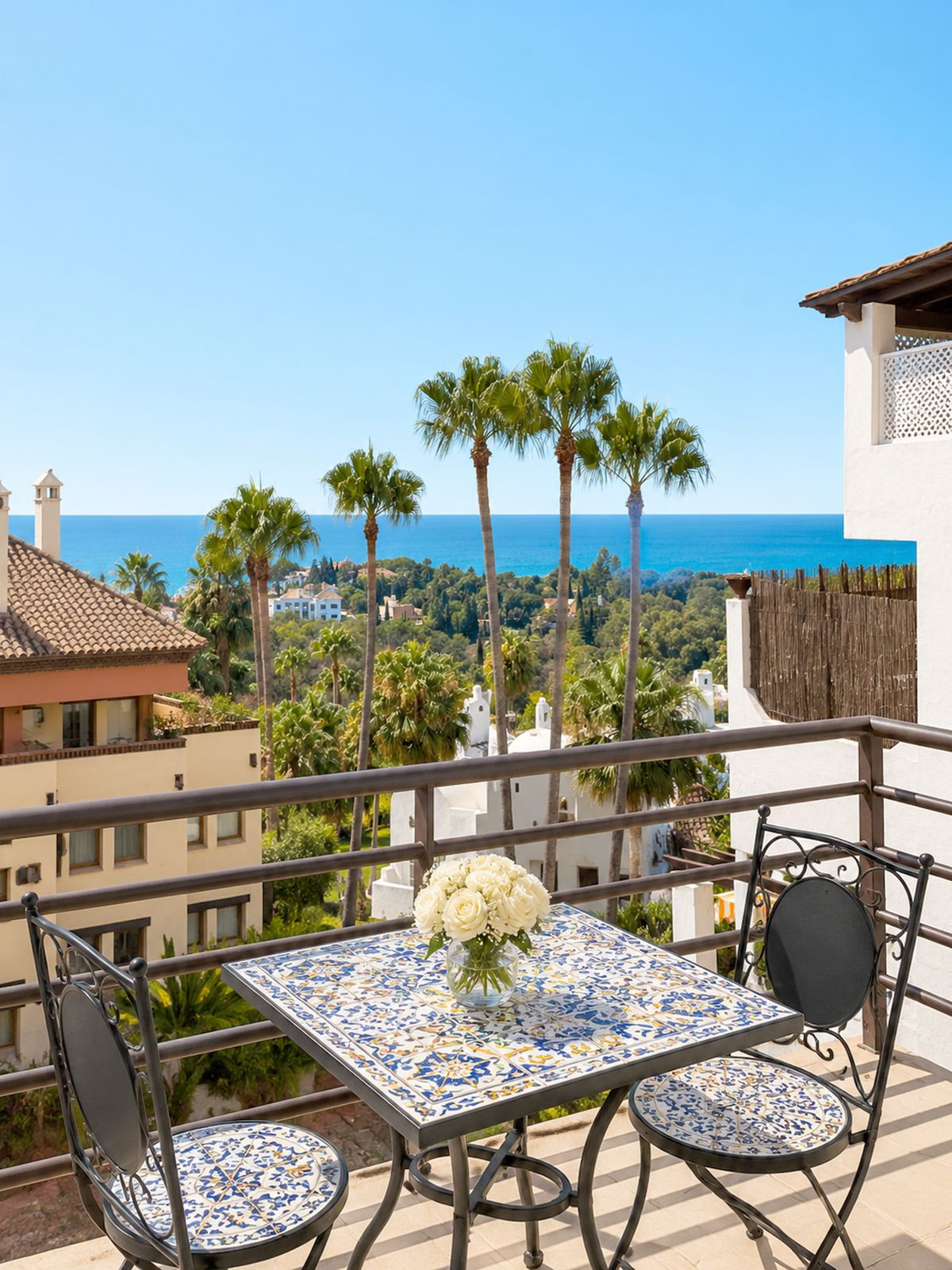
A large share of what sells around Marbella sits inside a community of owners, the shared ownership structure that governs almost every apartment block, gated urbanisation and townhouse scheme on the coast. British, Scandinavian, Dutch, Belgian and Middle Eastern buyers who are used to owning a house outright often underestimate how much of the experience of owning here is shaped by that community, from the annual bill to the rules on what an owner may do. The structure is straightforward once it is understood, and checking it properly before committing is one of the clearest ways to avoid a surprise after completion. This guide sets out what to look at in 2026.
How a community of owners works
A community of owners, the comunidad de propietarios, is the legal body that owns and runs the shared parts of a development, the gardens, pools, lifts, private roads, security and building fabric. It operates under the Ley de Propiedad Horizontal, the national law that sets out how these communities are governed, how decisions are taken and what an owner is liable for. Every owner holds a participation quota that fixes their share of the costs and their weight in a vote, and the community meets at least once a year to approve the budget and any major works.
The running costs come through the community fees, the cuotas, paid monthly or quarterly by direct debit. These vary enormously with the nature of the scheme. A simple block with a shared pool sits at the modest end, while a gated golf community with landscaped grounds, round-the-clock security and a concierge carries a far heavier charge. As a reading of the local market rather than a fixed rule, a buyer should expect the annual community bill to track the services on offer closely, so the amenities that make a scheme attractive are also what a buyer pays to maintain.
The reserve fund and why it matters
Spanish law requires every community to hold a reserve fund, the fondo de reserva, of at least 10 per cent of its last ordinary annual budget. The fund exists to cover repairs and unexpected work without an emergency call on owners, and a healthy balance is a sign of a community that is run well. A reserve that sits at or below the legal minimum on an ageing building is worth questioning, because it often signals that a significant special levy is coming.
That special levy, the derrama, is how a community funds major works its ordinary budget does not cover, a new lift, a roof, a repainted facade or upgraded pool plant. A buyer inherits the property's share of any levy that has been approved, so the minutes of recent general meetings, the actas, deserve a proper read before committing. They reveal what the community has agreed, what it is arguing about and what large costs are on the horizon.
Debts, rules and letting
Unpaid community charges follow the property rather than the seller in part, so a buyer can become liable for arrears left behind. The exposure covers the current year and the three preceding natural years, which makes a certificate confirming the community fees are paid up to date, the certificado de estar al corriente, an essential document at completion. A lawyer confirms it as part of the purchase, and that due diligence sits with your own legal adviser.
The community statutes, the estatutos, can also restrict what an owner does, from keeping pets to running a business or letting the property short-term. This last point has grown more important, because since 2025 a community can vote by a three-fifths majority to restrict or ban new tourist rentals within the scheme. Any buyer who plans to let a Marbella home to holidaymakers should read the statutes and the recent minutes closely and confirm the community's current position before relying on rental income.
A short checklist covers most of the risk.
- The level of the community fees and exactly which services they fund
- The size of the reserve fund against the age and condition of the building
- Any approved or looming derrama recorded in the recent general meeting minutes
- A certificate confirming the seller owes nothing to the community
- The statutes on letting, pets and use where these matter to your plans
What this means for a 2026 buyer
The community structure is not a reason to avoid apartment and gated living, which is exactly what many buyers want on this coast for the security and the shared amenities it brings. It is a reason to look past the property itself and read the community that comes with it, because a well-run community with sound finances protects both the enjoyment and the resale value of a home, while a poorly run one erodes both. Buyers comparing property for sale marbella across different schemes quickly find that the quality of the community is as telling as the finish of the individual home.
The practical step is to treat the community papers as part of the property you are buying and to have them checked before you commit rather than after. Whether the target is a lock-up-and-leave apartment near the beach or one of the larger villas for sale marbella inside a gated estate, the same discipline applies across the range of property for sale costa del sol. Marbella Homes can help you read a community and weigh it against the home before you make an offer, so the figure you commit to reflects the full picture rather than the asking price alone.